














Remembering the Events of September 2001
Plymouth, MN; September 11, 2026 – As the United States pauses today to remember the lives lost on September 1…

Built for how enterprise networks work today.
Lantronix Centralized Management Software

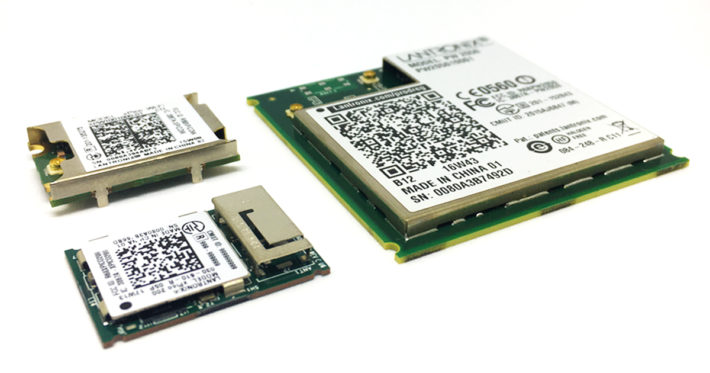
Lantronix Wireless Modules (Left to Right): xPico Wi-Fi, xPico 240 and PremierWave 2050
Today, the demand for IoT solutions continues to grow at a rapid pace – by 2020, it’s estimated that the number of connected machines will be more than 34 billion – more than four times the human population. For industrial OEMs, delivering a smart connected IoT solution can deliver substantial benefits including reduced device support and maintenance costs, enhanced customer engagement and satisfaction, a differentiated product, and potentially a new business model.
A pervasive Internet of Things (IoT) depends upon wireless connectivity, as it provides many advantages over wired connectivity. There is a variety of wireless connectivity technologies available to satisfy the needs of a broad range of industrial use cases from precision farming to connected factory, including distance, data rates and battery life. However, developing wireless based solutions with connectivity standards such as Wi-Fi or Bluetooth is not as simple as it sounds. In developing wireless based products, the RF portion of the design is inherently difficult to design and implement. Few companies are equipped with the appropriate skills to implement RF and antenna design, and even when done, keeping that design up to date with the latest standards. Furthermore, getting wireless products through FCC compliance is time-consuming and costly.
This challenge is what wireless modules are designed for: to reduce the development time and risk of developing wireless based products. Wireless modules are building blocks that can be quickly integrated into existing or new designs to get them to market quickly with wireless connectivity without any RF expertise.
But not all modules are created equal. When integrating wireless technologies into your products, a few questions to ask are:
Selecting the right module can deliver significant benefits including reduced time to market, reduced R&D expense, reduced development and post-sales maintenance risk, and avoidance of costly and time-consuming regulatory certifications. For an industrial OEM looking to stay ahead in a competitive marketplace, all of these benefits can add up to millions of dollars in cost savings and potential revenue opportunities.
–Lantronix
—Shahram Mehraban is the Lantronix VP of Marketing. You can follow Shahram on Twitter @mr_iiot.
Plymouth, MN; September 11, 2026 – As the United States pauses today to remember the lives lost on September 1…
Percepxion and SLC 9000 Join the NetClaw CommunityNetwork admins are actively exploring AI that targets their …
Built for how enterprise networks work today.
Lantronix Centralized Management Software